
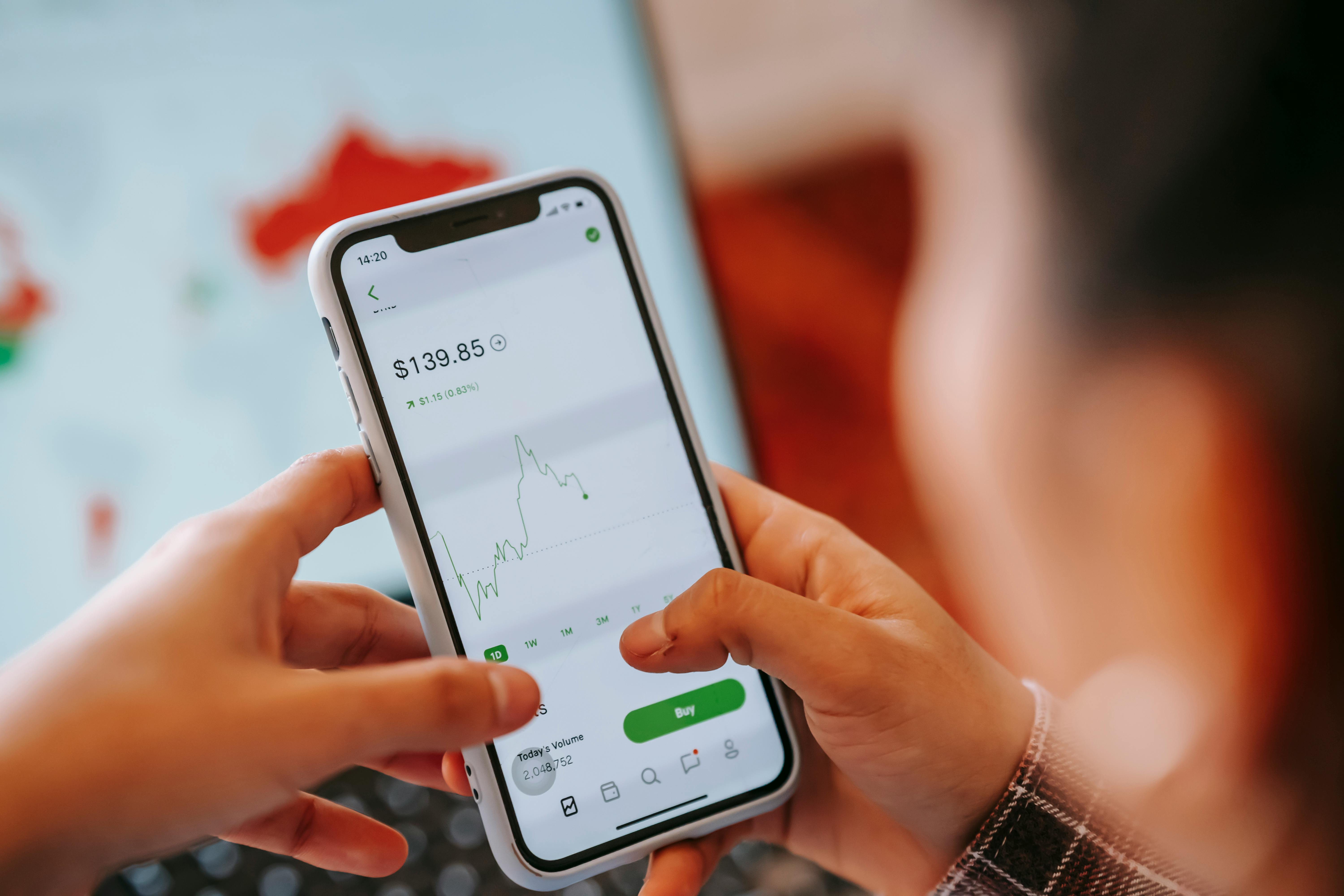
Every quoted stock has two prices: one at which it can be sold immediately and a higher one at which it can be bought. The gap between them is a cost paid on every round trip.
The gap is compensation for providing immediacy
Someone must stand ready to take the other side of a trade at any moment. Doing so means holding inventory that can move against them before it is offset.
The spread is the payment for accepting that exposure. Buying slightly below the mid-price and selling slightly above it produces a margin that covers the risk.
A trader unwilling to pay it can post a limit order and wait, but then receives no guarantee of execution, which is exactly what the spread purchases.
Information risk widens it
A market maker faces the possibility that the counterparty knows something it does not, in which case the trade is a loss before the inventory risk is even considered.
Spreads therefore widen around events where informed trading is likely, such as immediately before scheduled announcements or during unexplained volatility.
They also widen for securities where information is scarce and unevenly held, which is part of why smaller companies trade at wider spreads than large ones.
Liquidity determines the resting width
Heavily traded shares are quoted at very narrow spreads because inventory can be offset almost immediately and competition among market makers compresses the margin.
Thinly traded shares hold the opposite position. Inventory may sit for hours or days, so the compensation demanded is greater.
Time of day matters too, with spreads typically wider at the open and close, when order flow is less balanced and price discovery is still resolving.
Size interacts with the quoted price
The displayed spread applies only to a limited quantity. A larger order consumes the available depth and executes progressively further from the quote.
That additional cost is market impact, and for institutional orders it typically exceeds the quoted spread by a considerable margin.
Order-splitting algorithms exist to manage precisely this, trading gradually to avoid revealing size and moving the price against the order.
The cost is invisible on a statement
Commission appears as a line item. The spread does not, because it is embedded in the execution price rather than charged separately.
Zero-commission trading has not removed transaction costs; it has moved more of them into the spread and the routing of orders.
The practical consequence is that frequent trading in illiquid securities can cost far more than the fee schedule implies, and the difference never appears as a charge.