
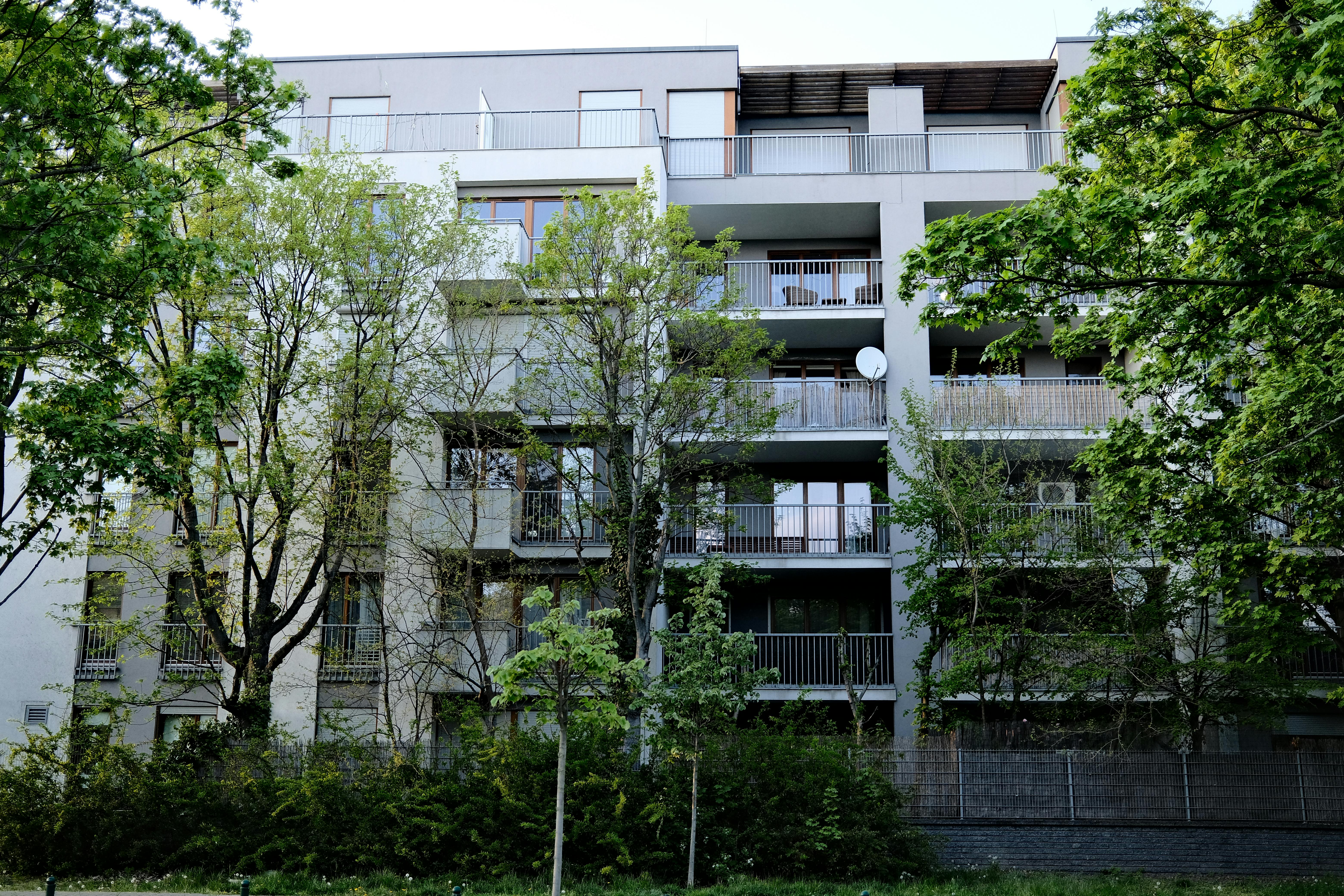
The future of real estate investment is here. Discover how fractional ownership and tokenized properties are democratizing access to high-value assets in 2026, offering unprecedented opportunities for passive income and significant ROI. Learn how to leverage blockchain technology for low-minimum, high-yield property portfolios and compare the top platforms transforming wealth building.
Introduction to the Topic
For decades, the allure of real estate investment remained largely confined to accredited investors, institutions, or those with significant capital reserves. The dream of owning a piece of prime commercial property, a luxury vacation rental, or a booming multi-family complex was often just that – a dream for the average individual. But welcome to 2026, where the landscape of property investment has been radically reshaped by innovation. The biggest disruptor? Fractional Real Estate Investment, powered by the transformative potential of blockchain and tokenization. This isn't just a trend; it's a paradigm shift, unlocking the doors to lucrative opportunities that were once exclusive, allowing anyone to become a property mogul with surprisingly modest capital.
Imagine owning a share of a New York City skyscraper, a sprawling logistics hub, or a cutting-edge data center – not through complex REITs or expensive private equity funds, but directly, digitally, and with unprecedented liquidity. This isn't science fiction; it's the reality of tokenized real estate. At profitwavestock.com, we're dedicated to guiding you through these uncharted waters, revealing how you can capitalize on this 2026 gold rush, build a diversified real estate portfolio, and generate substantial passive income. Forget the daunting down payments, the mortgage applications, and the landlord headaches. The new era of property wealth is about smart, accessible, and high-yield digital ownership.
Backgrounds & Facts
Fractional real estate investment isn't an entirely new concept; traditional crowdfunding platforms have existed for years. However, the advent of blockchain technology has supercharged this model, giving birth to tokenized real estate. In essence, a physical property – be it residential, commercial, or industrial – is legally structured and then digitally represented by a set number of tokens on a blockchain. Each token represents a fraction of the property's equity, allowing investors to purchase small, divisible units of ownership.
The beauty of this system lies in its inherent advantages. Firstly, it dramatically lowers the barrier to entry. Instead of needing hundreds of thousands for a down payment, investors can now acquire a piece of a high-value asset for as little as $100 to $1,000. Secondly, it introduces a level of liquidity previously unimaginable in real estate. While traditional property sales can take months, these digital tokens can often be traded on secondary markets, offering investors the flexibility to buy and sell their shares much more easily. Thirdly, transparency is enhanced by the immutable ledger of the blockchain, providing clear ownership records and transaction histories.
By 2026, the global tokenized real estate market is projected to reach well over $50 billion, experiencing exponential growth from previous years. This surge is driven by increasing regulatory clarity, technological advancements making platforms more user-friendly, and a growing investor appetite for alternative, inflation-hedged assets. Properties are carefully vetted and managed by professional entities, meaning investors enjoy the benefits of property appreciation and rental income without the operational burdens. This truly is democratized real estate investing, offering a powerful tool for portfolio diversification and wealth creation.
Expert Opinion / Analysis
“The trajectory of fractional real estate is nothing short of revolutionary,” states Dr. Anya Sharma, a leading economist specializing in digital asset markets. “We’ve moved beyond the early adopter phase. By 2026, institutional players are not just observing; they are actively participating, legitimizing the space and bringing increased capital flow. For the individual investor, this means access to higher quality assets and more robust platforms.”
Analysts at profitwavestock.com concur, highlighting that the maturation of regulatory frameworks in key jurisdictions has been a critical catalyst. “Early concerns about legality and investor protection have largely been addressed,” explains our lead real estate strategist, Mark Chen. “Today’s leading platforms operate under stringent compliance, offering a secure environment for digital property ownership. This isn't merely about buying a token; it's about owning a legally recognized, fractional interest in a tangible asset, with a clear claim to its income and appreciation.”
The strategic advantage for investors lies in the ability to construct highly diversified portfolios across various property types (residential, commercial, industrial, hospitality) and geographies, all within a single platform. This minimizes risk while maximizing exposure to different market cycles. Furthermore, the integration of AI-driven analytics on these platforms is becoming standard, offering investors predictive insights into property performance, optimal entry/exit points, and personalized portfolio recommendations, transforming passive investing into a strategically informed endeavor. The focus is no longer just on 'getting in,' but on 'getting in smart' to maximize your real estate ROI.
💰 Best Options in Comparison (VERY IMPORTANT)
Navigating the burgeoning fractional real estate market in 2026 requires identifying platforms that align with your investment goals, risk tolerance, and desired asset classes. While many platforms exist, we've curated a selection of the top contenders that offer robust features, diverse opportunities, and strong investor protection, optimized for maximizing your passive real estate income.
- PropToken Prime: Specializing in high-value commercial properties like Class A office spaces, logistics centers, and data storage facilities. PropToken Prime targets accredited and sophisticated investors seeking aggressive growth and stable rental yields from institutional-grade assets. Their rigorous due diligence process ensures only top-tier properties make it onto their platform. Minimum investment typically starts at $5,000, offering high liquidity on their proprietary secondary market.
- EcoVest Properties: For the environmentally conscious investor, EcoVest focuses exclusively on sustainable and green real estate. This includes energy-efficient residential complexes, LEED-certified commercial buildings, and properties utilizing renewable energy sources. EcoVest appeals to investors looking for both financial returns and positive environmental impact. Minimum investments are accessible, starting from $500, with a focus on long-term, stable returns and ESG compliance.
- GlobalGrid Assets: Want to diversify beyond your local market? GlobalGrid Assets offers tokenized access to a curated portfolio of international properties in emerging and established markets. From luxury vacation villas in the Mediterranean to multi-family units in rapidly growing Asian cities, GlobalGrid provides geographical diversification. Their platform emphasizes currency hedging and local market expertise. Minimum investment from $1,000, ideal for global diversification strategies.
- YieldBot AI: This platform is at the forefront of AI-driven real estate investing. YieldBot AI leverages advanced algorithms to identify undervalued properties, predict market trends, and optimize portfolio allocation across various residential and commercial asset types. Investors can choose from AI-managed portfolios or select individual tokenized properties with data-backed insights. Minimum investment starts as low as $100, making it incredibly accessible for beginners, with a focus on maximizing annual yield through intelligent automation.
To help you compare these leading platforms and make an informed decision for your wealth building strategies, here’s a detailed breakdown:
| Platform | Asset Focus | Min. Investment | Avg. Annual Yield (Est.) | Liquidity Options | Key Differentiator |
|---|---|---|---|---|---|
| PropToken Prime | High-Value Commercial (Logistics, Data Centers) | $5,000 | 9-15% | Proprietary Secondary Market | Institutional-grade assets, aggressive growth |
| EcoVest Properties | Sustainable/Green Residential & Commercial | $500 | 6-10% | Limited Secondary Market | ESG focus, stable long-term returns |
| GlobalGrid Assets | International Residential & Commercial | $1,000 | 7-12% | Developing Secondary Market | Geographical diversification, currency hedging |
| YieldBot AI | Diversified (AI-selected Residential & Commercial) | $100 | 8-14% | Active Secondary Market | AI-driven portfolio optimization, high accessibility |
Outlook & Trends
The trajectory for fractional real estate in 2026 and beyond is one of sustained innovation and expansion. We anticipate several key trends to define its evolution:
- Mainstream Adoption: As regulatory clarity improves and user interfaces become even more intuitive, fractional ownership will move from a niche investment to a mainstream component of diversified portfolios. Financial advisors will increasingly recommend digital real estate assets alongside traditional stocks and bonds.
- Increased Asset Classes: Beyond traditional residential and commercial properties, expect to see tokenization expand into alternative assets like timberland, vineyards, intellectual property rights tied to real estate, and even fractional ownership of infrastructure projects.
- Enhanced AI Integration: AI will move beyond just property selection to predictive maintenance, smart property management, and hyper-personalized investment strategies, optimizing returns and minimizing operational costs for fractional owners.
- DeFi Integration: The convergence of tokenized real estate with decentralized finance (DeFi) protocols will introduce new possibilities, such as using fractional property tokens as collateral for crypto loans, further enhancing liquidity and utility.
- Global Standardization: Efforts towards international standards for tokenized real estate will facilitate cross-border investments and create a truly global, liquid market for property ownership.
These trends underscore the immense potential for growth and profitability in the coming years, solidifying fractional real estate's position as a cornerstone of modern alternative investments and a powerful engine for wealth building.
Conclusion
The year 2026 marks a pivotal moment in real estate investment. The era of exclusivity is over, replaced by a new paradigm of accessibility, liquidity, and transparency, all thanks to fractional ownership and tokenized properties. Whether you're a seasoned investor looking to diversify or a newcomer eager to enter the property market without the traditional hurdles, the opportunities are abundant and genuinely transformative. By leveraging the power of blockchain and choosing the right platform, you can unlock a new stream of passive income, build a resilient portfolio, and participate in the growth of high-value assets that were once out of reach.
Don't let this unparalleled opportunity pass you by. Explore the platforms we've highlighted, conduct your due diligence, and take the first step towards securing your share of the 2026 real estate gold rush. The future of property wealth is digital, diversified, and waiting for you.