
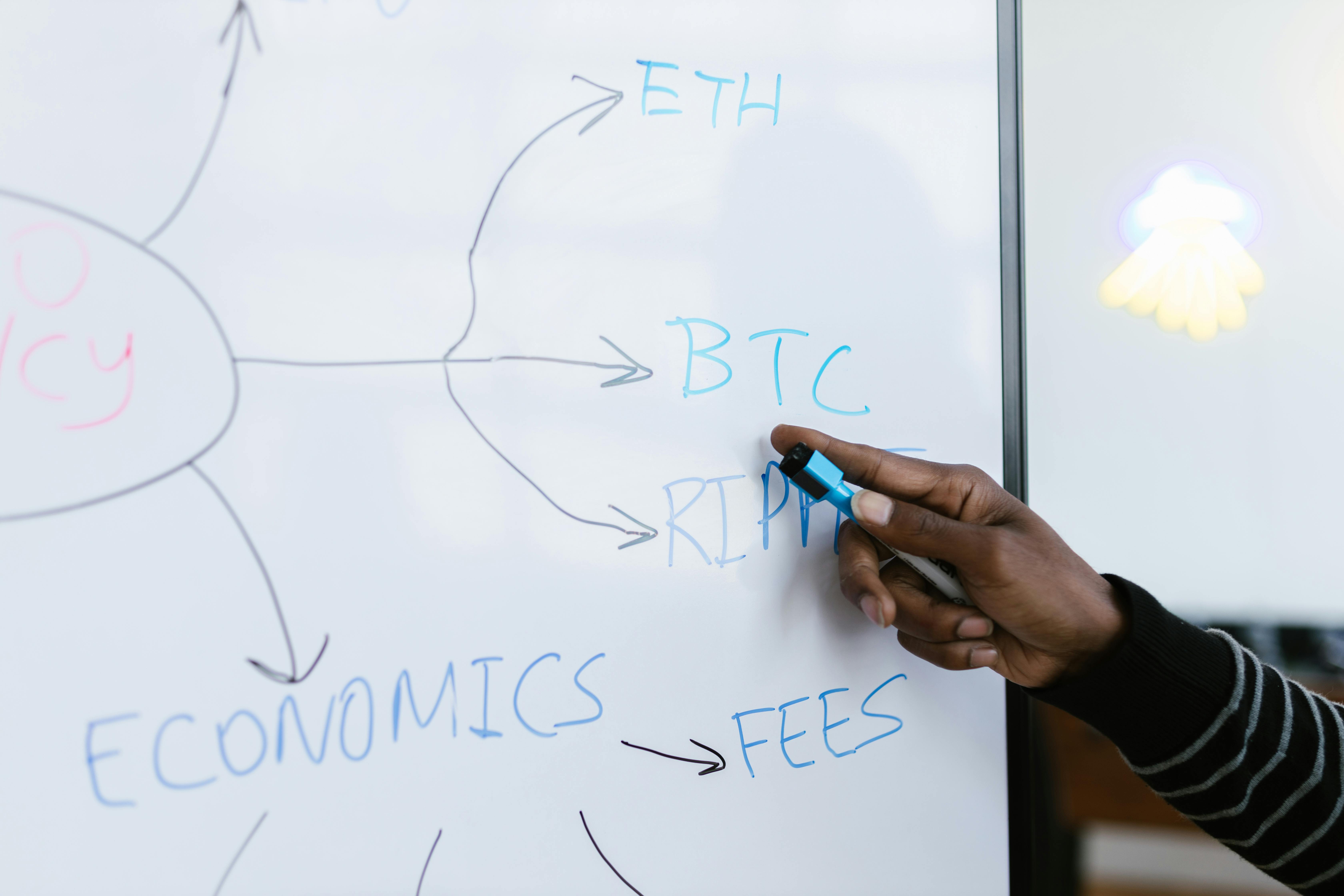
Discover how Real-World Asset (RWA) tokenization is revolutionizing investment in 2026, offering unprecedented access to illiquid assets, fractional ownership, and high-yield opportunities. Learn about the leading platforms driving this trillion-dollar market shift and how to secure your slice of the digital future.
Introduction to the Topic
Welcome to 2026, where the financial landscape has been irrevocably reshaped by a seismic shift: Real-World Asset (RWA) tokenization. For years, the promise of blockchain technology felt distant for many traditional investors, often confined to volatile cryptocurrencies or niche digital art. But today, we stand at the precipice of a new era where everything from skyscrapers and fine art to corporate bonds and private equity is being digitized, fractionalized, and made accessible on the blockchain. This isn't just a trend; it's the bridge connecting the multi-trillion-dollar traditional financial markets with the efficiency and transparency of decentralized finance (DeFi).
According to recent projections, the RWA tokenization market is set to explode, potentially reaching a staggering $10 to $16 trillion by the early 2030s, with significant milestones already being achieved in 2026. This isn't just about making assets digital; it's about unlocking unprecedented liquidity, democratizing access to exclusive investment opportunities, and creating entirely new avenues for wealth generation. For the savvy investor, understanding and engaging with RWA tokenization isn't optional; it's essential for maximizing returns and diversifying portfolios in this rapidly evolving market. At ProfitWaveStock.com, we're here to guide you through this revolution, identifying the key players and strategies that will define success in the tokenized future.
Backgrounds & Facts
At its core, Real-World Asset (RWA) tokenization is the process of representing a tangible or intangible asset on a blockchain as a digital token. Think of it as creating a digital deed or share certificate for an asset, which can then be bought, sold, and traded with the speed and security inherent to blockchain technology. These tokens typically derive their value from the underlying real-world asset, meaning their price fluctuations are tied to the asset itself, rather than purely speculative crypto market forces.
The mechanics involve several key steps: first, a legal entity (the issuer) identifies an asset to be tokenized. Second, the asset undergoes due diligence, valuation, and legal structuring to ensure its transferability and enforceability on-chain. Third, smart contracts are deployed on a blockchain (like Ethereum, Polygon, or purpose-built chains like Polymesh) to create the digital tokens, each representing a fractional ownership or claim over the asset. Finally, these tokens are made available on compliant platforms for investors. Crucially, robust legal frameworks and reliable oracle networks (like Chainlink) are integral, providing secure real-time data feeds for asset valuation and ensuring off-chain asset status is accurately reflected on-chain.
The range of assets being tokenized in 2026 is vast and ever-expanding. Initially, we saw pioneers tokenizing real estate and fine art, but the market has rapidly diversified. Today, you can invest in tokenized US Treasuries, corporate bonds, private credit pools, intellectual property rights, carbon credits, and even fractional ownership of luxury goods. Major financial institutions, including JPMorgan with its Onyx platform, have already demonstrated successful tokenization of debt instruments, signaling a clear institutional embrace of this technology.
The benefits are compelling: Fractionalization allows investors to own a piece of high-value assets (like a multi-million dollar building) that were previously inaccessible. Enhanced Liquidity transforms illiquid assets into easily tradable digital securities, often 24/7. Global Accessibility opens investment opportunities to a worldwide investor base, bypassing geographical barriers. Transparency and Auditability, thanks to blockchain's immutable ledger, reduce fraud and increase trust. Moreover, RWA tokenization offers a unique blend of crypto innovation with the stability of tangible assets, providing a compelling option for investors seeking diversified exposure and often stable, attractive yields.
Expert Opinion / Analysis
The consensus among financial experts in 2026 is clear: Real-World Asset tokenization is not just a passing fad but a foundational shift in how value is created, managed, and exchanged. "We're moving beyond mere digitization; we're witnessing the full financialization of the digital realm," states Dr. Anya Sharma, a leading economist specializing in digital assets. "RWA tokenization offers a truly innovative solution to long-standing challenges in traditional finance, primarily illiquidity and exclusivity."
From an investor's perspective, the opportunities are immense. For retail investors, RWA opens doors to asset classes like private equity or institutional debt that were once reserved for high-net-worth individuals or large institutions. Imagine owning a fraction of a commercial property portfolio, earning stable rental income distributed automatically via smart contracts, or investing in a diversified pool of corporate loans with predictable interest payments. For institutional investors, RWA provides new avenues for capital deployment, efficient collateral management, and streamlined settlement processes, significantly reducing operational costs and counterparty risk.
However, the journey isn't without its complexities. Regulatory frameworks, while maturing rapidly in regions like the EU (with MiCA) and specific US states, still present a patchwork globally. "The legal enforceability of these digital claims in every jurisdiction remains a critical consideration," warns David Chen, a blockchain attorney. "Platforms must ensure robust legal wrappers and compliance mechanisms are in place." Technical challenges, such as ensuring the security of underlying assets, reliable oracle feeds for accurate pricing, and interoperability across various blockchain networks, are also paramount. The risk of smart contract exploits, though diminishing with advanced auditing, is always a factor.
Yet, the industry is actively addressing these challenges. Advancements in Layer 1 and Layer 2 scaling solutions have significantly improved transaction speeds and reduced costs. The adoption of robust cross-chain communication protocols, such as Chainlink's CCIP, is enabling seamless transfer and interaction of tokenized assets across different blockchains, fostering greater liquidity and market depth. Furthermore, the integration of AI for enhanced risk assessment, automated compliance checks, and personalized portfolio management is making RWA platforms more sophisticated and user-friendly. The ongoing collaboration between traditional financial giants and innovative blockchain companies is accelerating the development of secure, compliant, and scalable solutions, paving the way for RWA tokenization to become a cornerstone of global finance.
💰 Best Options in Comparison (VERY IMPORTANT)
For investors looking to dive into the RWA market in 2026, choosing the right platform is crucial. Each platform offers unique strengths, catering to different asset classes and investor profiles. Here are some of the leading options making waves:
-
Centrifuge (CFG)
A pioneer in decentralized asset financing, Centrifuge connects DeFi liquidity with real-world credit. It allows businesses to tokenize income-generating assets like invoices, real estate debt, and supply chain financing, creating "Tinlake" pools. Investors can then provide liquidity to these pools, earning yield from real-world borrowers. Centrifuge is ideal for those seeking exposure to private credit and structured finance within a DeFi framework, offering stable, uncorrelated yields.
-
Ondo Finance (ONDO)
Ondo Finance is at the forefront of bringing institutional-grade assets onto the blockchain. They offer tokenized versions of highly liquid and stable traditional financial products, such as US Treasuries and money market funds. This provides crypto investors with access to familiar, low-risk, yield-bearing assets directly on-chain, effectively bridging the gap between DeFi and TradFi. Ondo is perfect for investors looking for stable, predictable returns with minimal crypto volatility.
-
Securitize (SECURITIZE)
Securitize is a regulated digital asset securities firm that provides a comprehensive platform for issuing, managing, and trading tokenized securities. They work with companies to tokenize equity, funds, and real estate, ensuring full compliance with securities laws across multiple jurisdictions. As an SEC-registered transfer agent and broker-dealer, Securitize offers a highly compliant and secure environment for both issuers and investors, making it a strong choice for those prioritizing regulatory adherence and institutional-grade offerings.
-
Polymath (Polymesh Blockchain)
Polymath evolved into the Polymesh blockchain, a purpose-built, institutional-grade permissioned blockchain designed specifically for regulated securities. It offers built-in compliance features, identity verification for participants, and governance tailored for financial assets. Polymesh isn't a platform for direct investment in tokenized RWAs as much as it is the underlying infrastructure for companies to issue and manage their own compliant digital securities. It's a foundational player for the future of regulated tokenized assets.
To help you compare these leading platforms, here's a detailed table:
| Platform | Primary Asset Focus | Target Audience | Key Differentiator | Regulatory Stance | Typical Yield/Liquidity |
|---|---|---|---|---|---|
| Centrifuge | Private Credit (invoices, real estate debt) | DeFi users, institutional lenders | Bridging DeFi liquidity to real-world businesses | Decentralized, but underlying assets are legally structured | Moderate to High Yield (5-15%+ APR), moderate liquidity |
| Ondo Finance | Tokenized US Treasuries, Money Market Funds | Crypto investors seeking stable, low-risk yield | Direct on-chain access to traditional fixed income | Robust legal and compliance framework for underlying funds | Stable Yield (4-6% APY), high liquidity |
| Securitize | Tokenized Equity, Funds, Real Estate, Private Equity | Accredited investors, institutions, companies issuing digital securities | Regulated end-to-end platform for digital securities | SEC-registered transfer agent & broker-dealer | Varies by asset, generally moderate liquidity |
| Polymath (Polymesh) | Infrastructure for Regulated Securities | Issuers, institutions, developers | Purpose-built blockchain with compliance at protocol level | Compliance built into blockchain; permissioned network | Not a direct investment platform; enables high liquidity for assets built on it |
Outlook & Trends
The trajectory for Real-World Asset tokenization in 2026 and beyond is one of exponential growth and increasing sophistication. We anticipate several key trends shaping this landscape:
-
Institutional Floodgates Open Wider: Major financial institutions will increasingly launch their own tokenization platforms or heavily integrate with existing ones. We'll see more multi-billion-dollar bond issuances, real estate portfolios, and private equity funds tokenized by established players, driving mainstream adoption.
-
Diversification of Asset Classes: Beyond traditional assets, expect to see the tokenization of more esoteric and niche assets. Carbon credits, intellectual property royalties, luxury collectibles, supply chain invoices, and even future revenue streams from artists or athletes will become increasingly common as new legal and technical frameworks emerge.
-
Seamless Interoperability: The "blockchain silos" of the past are dissolving. Advanced cross-chain communication protocols, such as Chainlink's CCIP, will enable seamless transfer and interaction of tokenized assets across different Layer 1 and Layer 2 blockchains. This will drastically improve liquidity, market efficiency, and unlock complex DeFi strategies involving RWAs across ecosystems.
-
AI Integration for Enhanced Efficiency: Artificial intelligence will play an even more critical role in RWA tokenization. AI-powered tools will assist in automated due diligence, real-time asset valuation, predictive risk assessment, and personalized investment recommendations, making the process more efficient and secure for both issuers and investors.
-
Regulatory Harmonization and Clarity: While challenges remain, 2026 will see significant progress in global regulatory harmonization. Jurisdictions will learn from pioneering frameworks like MiCA in Europe, leading to clearer guidelines for security tokens, custodianship, and secondary market trading, further boosting investor confidence and institutional participation.
-
Rise of Hybrid Models: The future isn't purely decentralized or purely centralized; it's a hybrid. We'll see more platforms combining the best of both worlds – the transparency and efficiency of blockchain with the trust and regulatory compliance of traditional financial intermediaries.
These trends indicate a market that is maturing rapidly, becoming more accessible, and integrating deeply with the broader financial ecosystem. The potential for innovation and wealth creation remains enormous.
Conclusion
Real-World Asset tokenization represents nothing less than the next frontier in investment. By unlocking illiquid assets, democratizing access, and enhancing transparency, it's creating a multi-trillion-dollar market ripe with opportunities for savvy investors. In 2026, the promise of a tokenized future is no longer theoretical; it's a tangible reality, with robust platforms and evolving regulatory clarity paving the way.
Whether you're an institutional player seeking efficiency or a retail investor looking to diversify your portfolio with stable, yield-generating assets, the RWA sector offers compelling prospects. The key to success lies in understanding the landscape, identifying the right platforms, and conducting thorough due diligence. Don't be left behind in this financial revolution. Explore these leading platforms, consider how RWA tokenization can fit into your 2026 investment strategy, and position yourself to capitalize on the immense wealth creation potential of a truly digital economy. The future of finance is here, and it's tokenized – are you ready to claim your stake?