
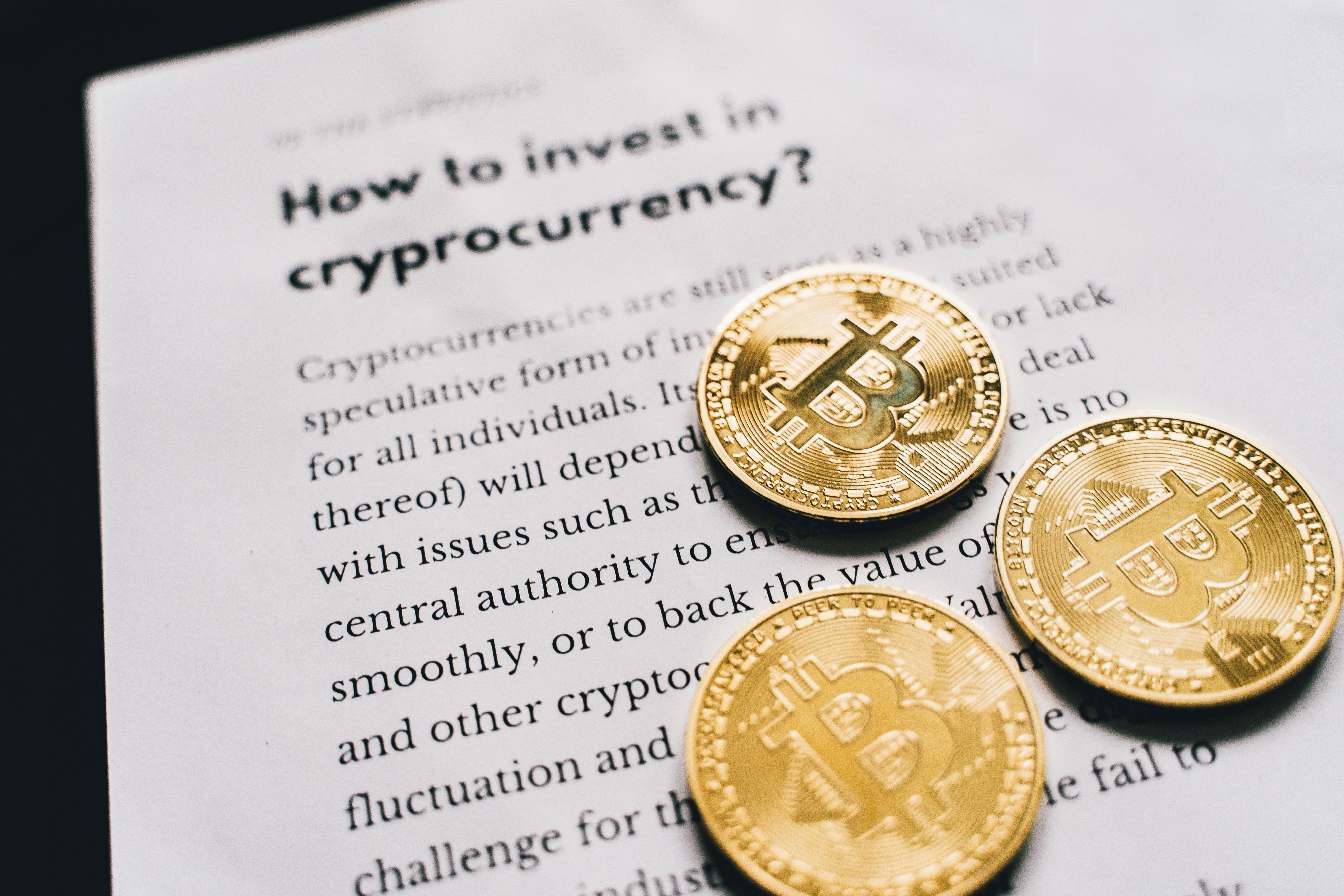
In 2026, tokenized Real-World Assets (RWAs) are exploding, bridging traditional finance with DeFi to offer unprecedented investment opportunities. Discover how blockchain is unlocking liquidity in real estate, private credit, and bonds, and learn which platforms offer the best yields and most secure pathways for your digital asset portfolio. This guide optimizes for investors seeking high returns and secure, compliant crypto investments.
Introduction to the Topic
Welcome to 2026, where the digital frontier of finance is no longer just about speculative meme coins or volatile crypto assets. The biggest narrative shift in decentralized finance (DeFi) is the monumental convergence with traditional finance (TradFi) through the tokenization of Real-World Assets (RWAs). This isn't just a trend; it's a financial revolution unlocking trillions in value, offering investors stable, yield-generating opportunities previously inaccessible in the crypto space. Imagine owning a fractional share of a luxury Manhattan apartment, a piece of a corporate bond portfolio, or a stake in a high-yield private credit fund – all managed on a transparent, immutable blockchain, accessible 24/7. This is the promise of RWA tokenization, and it's set to redefine your investment strategy.
For years, DeFi promised to democratize finance, but its inherent volatility and reliance on crypto-native collateral often limited its appeal to a niche audience. RWAs change that equation entirely. By digitizing tangible and intangible assets from the physical world – real estate, commodities, invoices, private equity, government bonds, and even intellectual property – and bringing them onto the blockchain, DeFi gains access to a stable, diversified, and massive pool of value. This article will delve into the mechanics, opportunities, and leading platforms that are making RWA investment a cornerstone of profitable portfolios in 2026, ensuring you're positioned to capitalize on this paradigm shift.
Backgrounds & Facts
The concept of tokenizing assets isn't new, but its maturation and widespread adoption in 2026 have reached an inflection point. At its core, RWA tokenization involves creating a digital representation (a token) on a blockchain that signifies ownership or a claim on a real-world asset. This token inherits the benefits of blockchain technology: fractionalization (allowing multiple investors to own small parts of a high-value asset), instant settlement, enhanced transparency, immutability, and global accessibility.
The market for tokenized RWAs is experiencing exponential growth. Major financial institutions like BlackRock, Fidelity, and Goldman Sachs are no longer just observing; they are actively participating, launching their own tokenized funds and exploring blockchain for interbank settlements. According to a recent Boston Consulting Group (BCG) report, the market for tokenized illiquid assets alone is projected to reach an astounding $16 trillion by 2030. In 2026, we're already seeing significant strides towards this goal, with tokenized government bonds, real estate funds, and private credit pools gaining substantial traction.
Key drivers behind this growth include:
- Enhanced Liquidity: Traditionally illiquid assets like real estate can now be traded 24/7 on secondary markets, offering immediate exit opportunities.
- Reduced Costs & Increased Efficiency: Smart contracts automate many processes, cutting out intermediaries, legal fees, and administrative burdens.
- Transparency & Auditability: All transactions are recorded on an immutable ledger, providing unparalleled transparency and ease of auditing.
- Global Accessibility: Investors from anywhere in the world can participate, democratizing access to premium assets.
- Diversification for Crypto Portfolios: RWAs offer a hedge against crypto market volatility, providing stable, uncorrelated returns.
Regulatory frameworks are also catching up. Jurisdictions like the European Union with MiCA (Markets in Crypto-Assets) are providing much-needed clarity, fostering institutional confidence and accelerating adoption. In the US, while still fragmented, discussions around digital asset securities are maturing, paving the way for more compliant and scalable RWA offerings. This regulatory evolution is critical, transforming what was once a fringe concept into a legitimate, regulated investment class.
Expert Opinion / Analysis
“The fusion of real-world assets with blockchain technology isn't just a technological advancement; it's a fundamental re-architecture of financial markets,” states Dr. Anya Sharma, a leading expert in digital asset economics at the Global Blockchain Institute. “By 2026, we've moved beyond theoretical discussions. We're witnessing tangible, high-value assets like sovereign bonds and corporate debt being actively traded on-chain, providing yields that outpace traditional savings while retaining the transparency and efficiency of DeFi.”
Industry insiders echo this sentiment. Mark Jensen, CEO of a prominent digital asset management firm, notes, “Institutions are no longer just dabbling. They're building robust infrastructure, integrating blockchain into their core operations for everything from syndicated loans to securitized real estate. The demand for stable, predictable yields in DeFi, backed by tangible assets, is insatiable. This is where real money is being made, moving beyond the speculative 'yield farming' of previous cycles.” Jensen emphasizes that the shift towards RWAs also brings enhanced due diligence and compliance, crucial for attracting institutional capital and protecting retail investors.
The integration of RWAs also addresses one of DeFi's most significant challenges: scalability and capital efficiency. By collateralizing DeFi loans with high-quality, liquid RWAs, protocols can significantly reduce their risk profiles and offer more competitive borrowing and lending rates. This creates a virtuous cycle, attracting more institutional capital, deepening liquidity, and ultimately benefiting all participants. However, experts also caution about the complexities of legal enforceability and off-chain asset management. “While the token lives on-chain, the underlying asset still exists in the physical world and is subject to traditional legal frameworks,” Dr. Sharma adds. “Robust legal wrappers, transparent custodianship, and clear dispute resolution mechanisms are paramount for the long-term success and trust in the RWA ecosystem.” This balance between decentralized technology and centralized legal oversight is a key area of innovation and ongoing development in 2026.
💰 Best Options in Comparison (VERY IMPORTANT)
As the RWA sector matures, several platforms have emerged as leaders, offering diverse opportunities for investors seeking to integrate tokenized assets into their portfolios. Choosing the right platform depends on your risk appetite, investment goals, and preferred asset classes. Here are some of the top contenders making waves in 2026:
- Centrifuge (CFG): A pioneer in decentralized RWA financing, Centrifuge connects DeFi liquidity with real-world businesses seeking capital. It specializes in tokenizing invoices, supply chain financing, and other private credit assets. Investors can earn attractive yields by providing liquidity to pools backed by these tokenized assets, often offering stablecoin-denominated returns. It's permissionless, yet focuses on real-world due diligence.
- Ondo Finance (ONDO): Ondo has carved a niche by offering tokenized versions of traditional financial products, particularly US Treasuries and money market funds. This provides crypto investors with access to highly liquid, low-risk, and regulated bond yields directly on-chain. It's a prime example of bringing TradFi stability to DeFi, often appealing to institutions and risk-averse investors.
- Maple Finance (MPL): While primarily a decentralized corporate credit marketplace, Maple has significantly expanded its RWA offerings by facilitating uncollateralized (or undercollateralized with reputation) loans to vetted institutional borrowers. Lenders (liquidity providers) earn yields from these loans, which are often backed by real-world business operations and revenue streams. It bridges the gap for businesses needing capital and DeFi lenders seeking higher yields.
- MakerDAO (DAI) - RWA Vaults: As one of the oldest and largest DeFi protocols, MakerDAO has been a significant player in the RWA space, using tokenized real-world assets as collateral to back its DAI stablecoin. While not a direct investment platform for retail users in the same way, its integration of RWAs like tokenized US Treasury bills and corporate bonds into its collateral base provides immense stability to DAI and offers indirect exposure to RWA yields for DAI holders through its stability fee mechanisms.
Here's a detailed comparison to help you make an informed decision:
| Platform | Primary RWA Focus | Target Audience | Typical Yield Potential (APR, 2026 est.) | Regulatory Posture | Ease of Use |
|---|---|---|---|---|---|
| Centrifuge | Private Credit (Invoices, Supply Chain) | DeFi Users, Institutional Lenders | 6-12% (Stablecoin) | Decentralized, KYC/AML for some pools | Medium (DeFi experience helpful) |
| Ondo Finance | US Treasuries, Money Market Funds | Institutions, Risk-Averse Investors | 4-6% (USD-denominated) | Highly Regulated (SEC-compliant funds) | Easy (Traditional finance interface) |
| Maple Finance | Institutional Lending (Corporate Credit) | Institutional Lenders, High-Net-Worth Individuals | 8-15% (Stablecoin, higher risk) | Permissioned Pools, KYC/AML required | Medium (Requires due diligence) |
| MakerDAO (RWA Vaults) | Diverse Collateral (Bonds, Real Estate) | DAI Holders (Indirect Exposure) | Indirectly through DAI stability | Decentralized Governance, Compliance for underlying assets | Easy (if holding DAI) |
Each platform offers a unique value proposition. Centrifuge and Maple provide higher potential yields by taking on more exposure to private credit risks, while Ondo Finance prioritizes safety and regulatory compliance with tokenized government securities. MakerDAO's RWA integration solidifies DAI's stability, making it a reliable stablecoin for various DeFi activities. Before investing, always conduct your own thorough research (DYOR) and understand the specific risks associated with each RWA pool and platform.
Outlook & Trends
The trajectory for RWA tokenization in the coming years is nothing short of explosive. By 2026, we're seeing several key trends that will shape its evolution:
- Hyper-Specialization of Platforms: Expect to see more platforms emerge that specialize in niche RWA categories, such as tokenized carbon credits, intellectual property, luxury goods, or even specific types of real estate (e.g., commercial vs. residential). This specialization will lead to deeper liquidity and more tailored investment products.
- Increased Interoperability: As RWAs proliferate across various blockchains (Ethereum, Solana, Avalanche, Polygon, etc.), cross-chain bridges and interoperability solutions will become critical. This will allow for seamless transfer and utilization of tokenized assets across different DeFi ecosystems, maximizing capital efficiency.
- AI-Powered Due Diligence and Risk Management: Artificial intelligence will play an increasingly vital role in evaluating the underlying real-world assets, assessing credit risk for private loans, and monitoring market conditions for tokenized securities. AI will enhance the efficiency and accuracy of risk management, making RWA investments safer and more scalable.
- Central Bank Digital Currencies (CBDCs) Integration: The eventual rollout of wholesale CBDCs will provide a robust, programmable settlement layer for tokenized securities, significantly streamlining institutional adoption and reducing settlement risks. While retail CBDCs are further out, wholesale versions will accelerate RWA integration into mainstream finance.
- Regulatory Harmonization: As more jurisdictions establish clear legal frameworks for digital assets, we anticipate greater international cooperation and harmonization of regulations. This will reduce jurisdictional arbitrage and foster a truly global market for tokenized RWAs, attracting even more institutional capital.
- Hybrid Finance (HyFi) Dominance: The distinction between TradFi and DeFi will continue to blur, leading to the dominance of 'HyFi' models where traditional financial institutions leverage blockchain for efficiency, and DeFi protocols incorporate real-world compliance and asset backing.
These trends collectively point towards a future where RWA tokenization isn't just an alternative investment but a fundamental component of global finance, offering unparalleled access to diverse asset classes and stable, attractive yields for investors worldwide.
Conclusion
The tokenization of Real-World Assets is undeniably one of the most significant and transformative narratives in finance for 2026 and beyond. It represents the maturation of the blockchain industry, bridging the vast liquidity of traditional markets with the efficiency, transparency, and global accessibility of decentralized finance. For investors seeking to diversify their portfolios, generate stable yields, and capitalize on the next wave of digital asset innovation, RWAs offer a compelling pathway.
Whether you're drawn to the high-yield potential of private credit on platforms like Centrifuge and Maple, or the stability of tokenized US Treasuries with Ondo Finance, the opportunities are abundant. However, as with any investment, due diligence is paramount. Understand the underlying assets, the regulatory environment, and the specific risks associated with each platform. By carefully evaluating the best options available and staying informed on emerging trends, you can position your portfolio for unprecedented growth and stability in this exciting new era of digital finance. Don't miss out on unlocking the trillions in value that RWAs are bringing to the table – your future portfolio will thank you.