
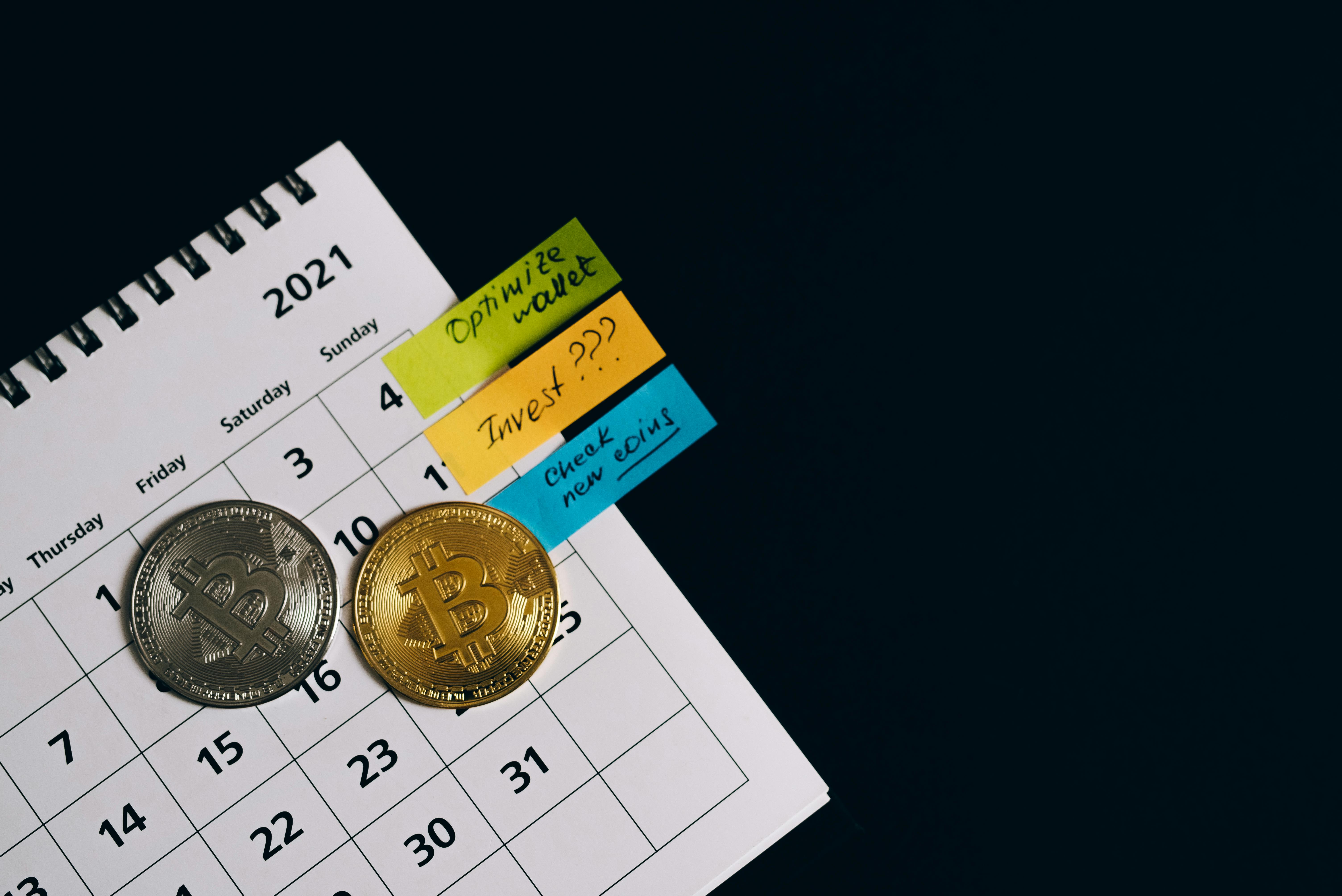
The year is 2026, and the investment landscape has been irrevocably reshaped by the tokenization of Real-World Assets (RWA). Discover how blockchain technology is democratizing access to previously illiquid investments like real estate, fine art, and private equity, offering unprecedented opportunities for fractional ownership, high returns, and portfolio diversification. This guide details the best RWA investment platforms, compares their features, and helps you navigate this lucrative, future-forward sector for maximum profit.
Introduction to the Topic
Welcome to 2026, where the future of investing isn't just about stocks and bonds – it's about owning a fraction of a skyscraper in Dubai, a masterpiece by a digital artist, or a stake in a renewable energy project in Southeast Asia, all powered by the blockchain. This isn't science fiction; it's the booming reality of Real-World Asset (RWA) tokenization. For years, high-net-worth individuals and institutional investors hoarded access to lucrative, illiquid assets. Now, thanks to the relentless innovation of blockchain technology, these barriers are crumbling. RWA tokenization is rapidly emerging as the single most transformative trend in finance, poised to unlock trillions in value and offer everyday investors a seat at the table of exclusive opportunities.
At profitwavestock.com, we believe in empowering our readers with foresight and actionable strategies. This comprehensive article will delve deep into RWA tokenization, explaining its mechanics, benefits, and the top platforms leading this revolution. If you're looking to diversify your portfolio, tap into high-growth sectors, and secure your financial future, understanding RWA investing in 2026 is not just an advantage – it's a necessity.
Backgrounds & Facts
RWA tokenization involves converting tangible or intangible assets into digital tokens on a blockchain. Think of it as creating a digital deed or share certificate for a physical asset. These tokens represent ownership, value, or rights associated with the underlying asset. The process leverages smart contracts, self-executing agreements stored on the blockchain, to automate ownership transfers, dividend distributions, and compliance checks, ensuring transparency and efficiency.
The market for tokenized assets is exploding. Industry reports in early 2026 project the RWA tokenization market to exceed $10 trillion by 2030, with significant growth already evident across various sectors. By demystifying complex legal and financial structures, blockchain makes these assets accessible to a global pool of investors. Historically, investing in private equity, luxury collectibles, or large-scale real estate required substantial capital, lengthy legal processes, and an exclusive network. RWA tokenization shatters these limitations by:
- Democratizing Access: Fractional ownership allows investors to buy small, affordable portions of high-value assets. Imagine owning 0.1% of a commercial building for a few hundred dollars.
- Enhancing Liquidity: Tokens can be traded 24/7 on secondary markets, transforming traditionally illiquid assets into easily tradable digital securities. This significantly reduces the typical holding periods and exit complexities.
- Increasing Transparency: All transactions are recorded on an immutable blockchain ledger, providing unparalleled auditability and reducing fraud.
- Lowering Costs: Streamlined processes reduce intermediaries, legal fees, and administrative overheads, making investing more cost-effective.
- Global Reach: Investors from anywhere in the world can participate, expanding capital pools and investment opportunities.
While the benefits are profound, it's crucial to acknowledge the evolving landscape. Regulatory frameworks are maturing rapidly, providing clearer guidelines and investor protections. However, due diligence remains paramount, as smart contract risks and market volatility inherent to any emerging asset class still exist.
Expert Opinion / Analysis
Leading financial strategists and blockchain architects agree: RWA tokenization is not just a niche trend; it's the foundational layer for the next generation of global finance. Dr. Anya Sharma, Head of Digital Asset Strategy at Global Capital Group, recently stated, "By 2026, institutional participation in RWA tokenization has moved beyond pilot projects to become a core component of diversified portfolios. We're seeing major banks, asset managers, and sovereign wealth funds actively exploring and deploying capital into tokenized private equity funds and infrastructure projects."
The impact on traditional finance is undeniable. Private equity firms are leveraging tokenization to offer more granular investment opportunities and improve fund liquidity. Real estate developers are finding new ways to finance projects by issuing security tokens to a broader investor base. Even the art world, notoriously opaque, is embracing tokenization to authenticate provenance and enable fractional ownership of masterpieces, making fine art investment accessible to a new generation of collectors and investors.
Key sectors poised for significant disruption and investment opportunities include:
- Commercial Real Estate: Tokenizing office buildings, retail spaces, and residential complexes in prime locations globally.
- Private Debt & Equity: Offering tokenized access to venture capital funds, private credit, and pre-IPO company shares.
- Infrastructure Projects: Funding renewable energy plants, transportation networks, and digital infrastructure through token sales.
- Luxury Goods & Collectibles: Fractionalizing ownership of rare wines, classic cars, high-end watches, and historical artifacts.
- Natural Resources: Tokenizing rights to commodities, timberland, or mineral leases.
As regulatory clarity continues to improve across major jurisdictions, and institutional-grade infrastructure develops, the confidence in RWA investing will only grow, making 2026 a pivotal year for early adopters to capitalize on this paradigm shift.
💰 Best Options in Comparison (VERY IMPORTANT)
Navigating the burgeoning RWA tokenization market requires choosing the right platforms. Each specializes in different asset classes and caters to varying investor profiles. Here, we compare some of the leading platforms and their offerings in 2026, helping you make informed decisions for your investment journey.
1. BlockEstate Global: Premier Real Estate Tokenization
BlockEstate Global stands out as a leader in tokenized commercial and residential real estate. It offers fractional ownership in high-yield properties across major global cities, from luxury apartments in New York to commercial hubs in London and Singapore. Their rigorous due diligence process ensures only Grade-A assets are tokenized, with transparent revenue sharing and clear exit strategies. Ideal for investors seeking stable, long-term appreciation and rental income. Minimum investments can range from $500 to $5,000 depending on the project, making prime real estate accessible.
2. ArtVault Token: Fine Art & Collectibles Investment
For those with an eye for culture and value, ArtVault Token provides fractional ownership in a curated portfolio of blue-chip fine art, rare collectibles, and luxury items. They partner with renowned galleries and auction houses to source authenticated assets, offering investors a unique way to diversify into alternative assets that historically appreciate well. ArtVault focuses on transparency, provenance verification, and potential for both capital appreciation and, in some cases, exhibition-based revenue. Minimum investment typically starts at $100-$1,000 per tokenized piece.
3. FundFlow Capital: Private Equity & Debt Tokenization
FundFlow Capital is revolutionizing access to private markets. Primarily targeting accredited investors, this platform tokenizes stakes in private equity funds, venture capital deals, and corporate debt instruments that were once exclusive to institutional players. FundFlow leverages sophisticated legal frameworks to ensure regulatory compliance and offers robust secondary market liquidity solutions. This option is for investors seeking higher-risk, higher-reward opportunities in the private sector with significant growth potential. Minimum investments can be higher, often starting at $10,000.
4. InfraToken Solutions: Sustainable Infrastructure & Commodities
InfraToken Solutions focuses on tokenizing large-scale infrastructure projects, particularly in renewable energy, sustainable development, and essential commodities. Investors can own fractional shares in solar farms, wind parks, or even tokenized gold reserves. This platform appeals to impact investors looking for sustainable returns and tangible asset backing. InfraToken emphasizes long-term yield generation and contributes to real-world environmental and social impact. Minimum investments are often accessible, starting from $250.
To help you choose, here’s a detailed comparison table:
| Feature | BlockEstate Global | ArtVault Token | FundFlow Capital | InfraToken Solutions |
|---|---|---|---|---|
| Primary Asset Class | Commercial & Residential Real Estate | Fine Art, Collectibles, Luxury Goods | Private Equity, Venture Capital, Corporate Debt | Sustainable Infrastructure, Commodities |
| Minimum Investment | $500 - $5,000 | $100 - $1,000 | $10,000+ (Accredited) | $250 - $2,000 |
| Investor Accessibility | Retail & Accredited | Retail & Accredited | Accredited (primarily) | Retail & Accredited |
| Typical Returns / Yield | 5-12% (Rental + Appreciation) | Variable (Appreciation) | 15-30%+ (High Growth) | 6-10% (Fixed Yield + Growth) |
| Fees (Platform/Transaction) | 1-2% Origination, 0.5-1% Management | 2-5% Acquisition, 0-1% Management | 2-3% Origination, 1.5-2.5% Management | 0.5-1.5% Origination, 0.3-0.8% Management |
| Liquidity Options | Secondary Marketplace, Exit Events | Secondary Marketplace, Buybacks | Limited Secondary, Fund Exits | Secondary Marketplace, Project Completion |
| Regulatory Focus | SEC, FCA, MAS Compliance | Art Market Regulations, AML/KYC | SEC, MiFID II, Accredited Investor Rules | Environmental & Social Governance (ESG), Local Regulations |
Before committing to any platform, always conduct thorough due diligence. Review their whitepapers, legal documentation, team credentials, and the specific terms of the tokenized asset. Consider consulting with a financial advisor experienced in digital assets to align these opportunities with your personal financial goals and risk tolerance.
Outlook & Trends
The RWA tokenization market in 2026 is merely scratching the surface of its potential. Several key trends are set to accelerate its growth and integration into mainstream finance:
- Mainstream Institutional Adoption: Expect more traditional financial institutions to launch their own RWA tokenization divisions or partner extensively with existing platforms. The convergence of DeFi and TradFi will blur further.
- Cross-Chain Interoperability: As different blockchains host various tokenized assets, solutions for seamless transfer and trading across networks will become standard, enhancing liquidity and market efficiency.
- Advanced Regulatory Clarity: Governments worldwide are refining legal frameworks for digital assets, providing greater certainty and protection for investors, which will attract even more capital.
- Integration with DeFi Protocols: Tokenized RWAs will increasingly be used as collateral in decentralized lending protocols, unlocking new avenues for yield generation and liquidity for asset owners.
- Rise of Specialized RWA Indices and ETFs: We anticipate the emergence of tokenized RWA indices and exchange-traded funds (ETFs), offering diversified exposure to baskets of tokenized assets, simplifying investment for retail and institutional players alike.
- New Asset Classes: Beyond current offerings, expect tokenization to extend to intellectual property, carbon credits, sports franchises, and even human capital, creating an unprecedented array of investment opportunities.
The future of wealth creation is undeniably digital and fractional. RWA tokenization is not just about investing; it's about reshaping ownership, democratizing finance, and building a more efficient, transparent, and inclusive global economy.
Conclusion
The year 2026 marks a pivotal moment for investors. Real-World Asset tokenization represents an unparalleled opportunity to access high-value assets, diversify portfolios, and generate significant returns in a rapidly evolving financial landscape. By leveraging the power of blockchain, these platforms are breaking down traditional barriers, offering fractional ownership, enhanced liquidity, and unprecedented transparency.
Whether you're interested in the stable growth of tokenized real estate, the cultural appreciation of fine art, the high-yield potential of private equity, or the sustainable impact of infrastructure projects, there's an RWA platform tailored to your investment goals. The key is to educate yourself, understand the underlying assets and technologies, and choose reputable platforms that align with your risk appetite and financial objectives.
Don't let this transformative wave pass you by. The future of investing is here, and it's tokenized. Start exploring the options, compare the opportunities, and position your portfolio for exponential profits in the exciting world of RWA investing. Your journey to unlocking trillions in value begins now at profitwavestock.com.