
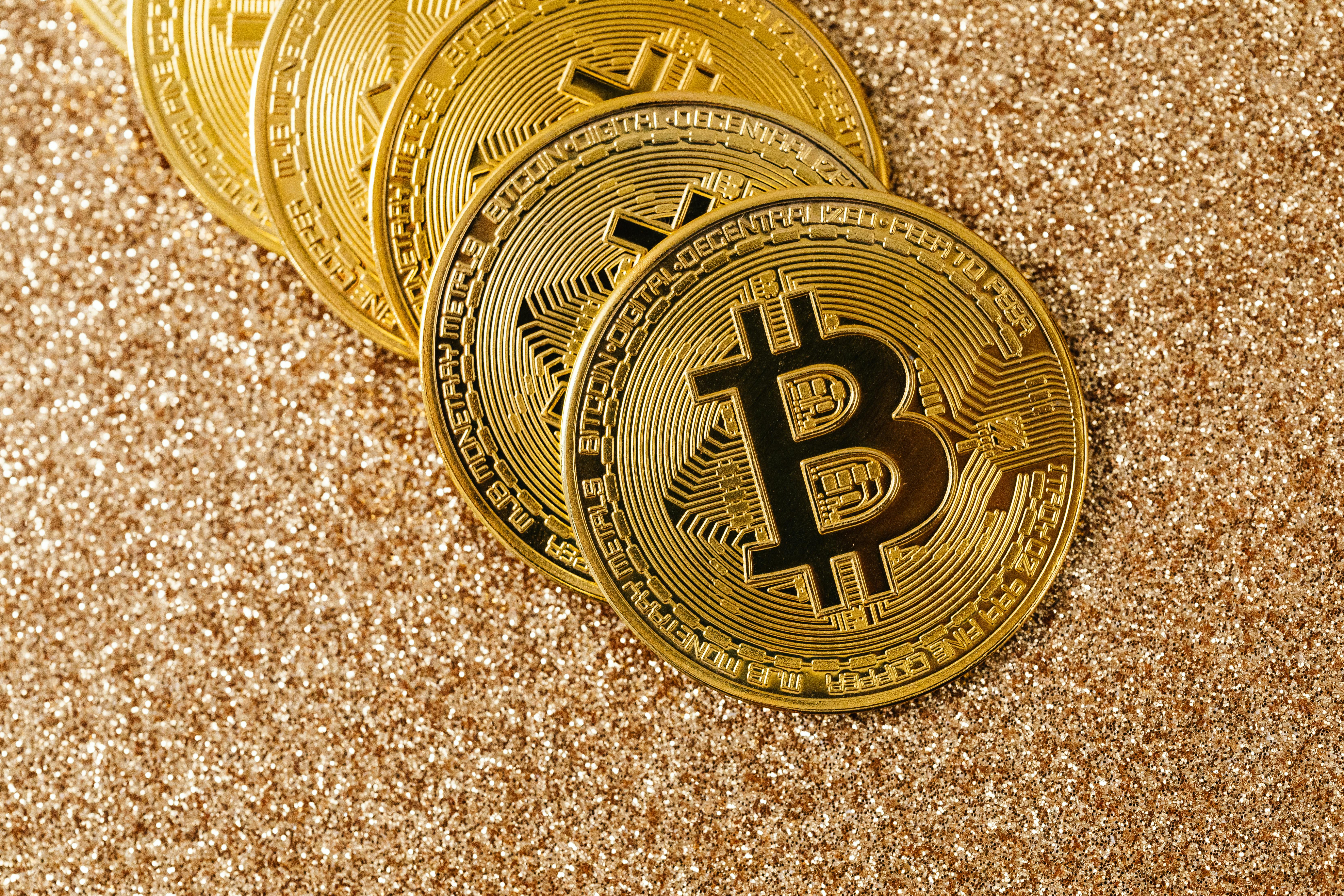
Discover the trillion-dollar frontier of Real-World Asset (RWA) tokenization. Learn how blockchain is transforming traditional investments like real estate, bonds, and private equity into liquid, accessible digital assets. Optimize your portfolio for unprecedented growth and yield in 2026 by exploring leading tokenization platforms and institutional-grade opportunities.
Introduction to the Topic
Welcome to 2026, where the lines between traditional finance (TradFi) and decentralized finance (DeFi) have not just blurred, but in many sectors, have converged entirely. The catalyst? Real-World Asset (RWA) tokenization. For years, digital assets were largely synonymous with cryptocurrencies – speculative, volatile, and often detached from tangible value. But that era is rapidly fading into the rearview mirror. Today, we stand at the precipice of a financial revolution where real estate, government bonds, private equity, intellectual property, and even fine art are being fractionalized, digitized, and traded on blockchain networks, offering unparalleled liquidity, transparency, and accessibility to investors worldwide.
At profitwavestock.com, our mission is to guide you through the most lucrative and impactful investment trends. RWA tokenization isn't just a trend; it's the fundamental restructuring of global capital markets. Analysts project the tokenized RWA market to exceed several trillion dollars by the end of the decade, making it arguably the most significant investment opportunity of our time. This article will delve deep into what RWA tokenization means for your portfolio, the leading platforms enabling this transformation, and how you can position yourself to capitalize on this seismic shift.
Backgrounds & Facts
Real-World Assets (RWAs) are precisely what they sound like: tangible or intangible assets that exist outside the blockchain, possessing inherent value. Think of a skyscraper in New York, a rare vintage car, a portfolio of corporate bonds, or even future royalty streams from a music catalog. Historically, investing in such assets was often exclusive, illiquid, and burdened by high transaction costs and complex legal procedures. Entry barriers were formidable, limiting participation to accredited investors or large institutions.
Tokenization changes everything. It involves creating a digital representation, or 'token,' on a blockchain that represents ownership or a fractional stake in a specific RWA. This token is programmable, governed by smart contracts, and inherits the security, immutability, and transparency of the underlying blockchain technology. Each token holds verifiable legal claim to a portion of the asset, with all rights and obligations encoded on-chain.
The benefits are transformative:
- Fractional Ownership: Investors can own a small, affordable piece of high-value assets (e.g., a fraction of a luxury apartment building or a corporate bond), democratizing access.
- Enhanced Liquidity: By breaking down large, illiquid assets into smaller, tradable tokens, secondary markets become far more active and efficient, reducing holding periods and enabling easier exit strategies.
- Reduced Costs & Speed: Smart contracts automate many processes, eliminating intermediaries, paperwork, and lengthy settlement times, drastically cutting transaction costs.
- Global Accessibility: Blockchain networks operate 24/7, enabling investors from any corner of the globe to participate, fostering a truly global capital market.
- Transparency & Auditability: All transactions and ownership records are immutably stored on the blockchain, providing unprecedented transparency and simplifying due diligence.
By 2026, RWA tokenization has moved beyond experimental phases. Major financial institutions, including BlackRock, Fidelity, and numerous central banks, are actively exploring or have already launched initiatives leveraging blockchain for bond issuance, fund management, and cross-border payments. Regulatory bodies in key jurisdictions like Singapore, Switzerland, and parts of the EU have established clearer frameworks for digital securities, providing much-needed legal certainty and paving the way for mainstream adoption. The market capitalization of tokenized RWAs has already surpassed hundreds of billions of dollars, and the growth trajectory indicates a multi-trillion-dollar market within the next few years.
Expert Opinion / Analysis
Leading analysts at firms like JPMorgan and Goldman Sachs now routinely publish reports highlighting RWA tokenization as a core component of future financial infrastructure. A recent report from the Boston Consulting Group (BCG) and ADDX projected the tokenized asset market to reach $16 trillion by 2030. This isn't just speculation; it's a fundamental shift driven by technological superiority and economic efficiency.
“The days of purely speculative crypto are behind us,” states Dr. Anya Sharma, Head of Digital Asset Strategy at Global Capital Partners. “What we’re seeing in 2026 is the maturation of blockchain into an enterprise-grade technology capable of underpinning the global economy. RWA tokenization brings stability and tangible value back into the digital asset space, attracting institutional capital that previously remained on the sidelines due to volatility and regulatory uncertainty. It's about leveraging the efficiency of blockchain while retaining the security and legal enforceability of traditional assets.”
However, the journey isn't without its challenges. While significant progress has been made, navigating diverse international legal frameworks, ensuring robust investor protection, and achieving seamless interoperability between various blockchain networks remain critical areas of focus. Yet, solutions are rapidly emerging. Standardized protocols, cross-chain bridges, and sophisticated legal wrappers are addressing these complexities, making RWA tokenization increasingly robust and secure.
The convergence of TradFi and DeFi through RWAs is creating a powerful synergy. Traditional financial institutions bring their regulatory expertise, vast capital, and established client bases, while DeFi pioneers contribute innovation, efficiency, and global reach. This collaboration is fostering a new era of financial products that offer the best of both worlds: the security and trust of traditional assets combined with the liquidity and transparency of blockchain technology. This means more diverse, stable, and potentially higher-yielding investment opportunities for you.
💰 Best Options in Comparison (VERY IMPORTANT)
For investors looking to tap into the RWA tokenization boom, selecting the right platform or investment vehicle is crucial. By 2026, several key players have emerged, each offering distinct advantages depending on your investment goals and risk appetite. Here, we compare some of the most prominent options:
- Securitize: A pioneer in digital asset securities, Securitize offers a comprehensive platform for issuing, managing, and trading tokenized securities. They focus heavily on regulatory compliance and cater to both institutional issuers and accredited investors seeking access to private equity, funds, and real estate.
- Ondo Finance: Specializing in bringing institutional-grade yield strategies on-chain, Ondo Finance provides tokenized access to traditional financial products like U.S. Treasuries and money market funds. This offers DeFi users stable, high-quality collateral and yield opportunities backed by highly liquid, regulated assets.
- Centrifuge: A leading protocol for tokenizing real-world credit and invoices. Centrifuge connects DeFi liquidity with real-world businesses seeking financing, allowing investors to earn yield by providing capital for asset-backed loans. It's a bridge between traditional business finance and DeFi.
- Figure Technologies (via Provenance Blockchain): Figure is a major player leveraging its Provenance Blockchain for a wide array of RWA tokenization, from mortgage loans to private credit and digital funds. They aim to digitize entire financial workflows, offering institutional-grade solutions for capital markets participants.
- Tokenized Real Estate Platforms (e.g., RealT, Brickken): These platforms specialize in fractionalizing real estate properties, allowing investors to buy tokens representing ownership in specific properties or portfolios. They offer direct exposure to property markets with significantly lower entry barriers and increased liquidity.
To help you navigate these choices, here's a comparative table:
| Platform/Protocol | Primary Asset Focus | Target Investor | Key Differentiator | Blockchain(s) |
|---|---|---|---|---|
| Securitize | Private Equity, Funds, Real Estate, Debt | Accredited Investors, Institutions | End-to-end issuance & lifecycle management; strong regulatory focus. | Ethereum, Polygon, Avalanche |
| Ondo Finance | U.S. Treasuries, Money Market Funds | DeFi Users, Institutions seeking stable yield | Tokenized access to highly liquid, regulated TradFi assets for DeFi. | Ethereum, Polygon, Solana |
| Centrifuge | Invoices, Supply Chain Finance, Credit | DeFi Lenders, Businesses seeking funding | Connecting DeFi liquidity to real-world business credit needs. | Centrifuge Chain (Polkadot ecosystem), Ethereum |
| Figure Technologies | Mortgages, Private Credit, Funds | Institutions, Large Enterprises | Full digitization of financial workflows on proprietary blockchain. | Provenance Blockchain |
| RealT / Brickken | Residential & Commercial Real Estate | Retail Investors, Accredited Investors | Fractional ownership of income-generating properties globally. | Ethereum, Gnosis Chain |
When choosing, consider your investment horizon, the level of liquidity you require, your risk tolerance, and whether you prefer direct asset exposure or yield-generating products. Always conduct thorough due diligence and consult with a financial advisor.
Outlook & Trends
The trajectory for RWA tokenization in the coming years is nothing short of exponential. By 2026, we are observing several key trends shaping this landscape:
- Deepening Institutional Integration: Major banks and asset managers will increasingly offer tokenized RWA products directly to their clients, integrating blockchain rails into their existing infrastructure. Expect more traditional ETFs and mutual funds to incorporate tokenized assets.
- Regulatory Harmonization: While still fragmented, global regulatory bodies are moving towards greater clarity and interoperability in digital asset laws, facilitating cross-border tokenized transactions and reducing legal friction.
- Emergence of Layer 2 & 3 Solutions for RWAs: As volume grows, specialized Layer 2 and Layer 3 solutions will offer enhanced scalability, privacy, and customization for RWA tokenization, further reducing costs and improving user experience.
- AI-Driven Asset Management: Artificial intelligence will play an increasingly vital role in RWA valuation, risk assessment, and portfolio management. AI algorithms will optimize tokenized asset allocation, identify arbitrage opportunities, and predict market trends with unprecedented accuracy.
- Expansion into New Asset Classes: Beyond traditional assets, we'll see tokenization extend to less conventional areas like intellectual property rights, carbon credits, supply chain financing, and even human capital, creating entirely new markets and investment vehicles.
- Central Bank Digital Currencies (CBDCs) as Settlement Layers: The rollout of CBDCs in major economies will provide a stable, programmable, and efficient settlement layer for tokenized RWA transactions, further enhancing trust and reducing counterparty risk.
The future of finance is digital, interconnected, and asset-backed. RWA tokenization is the bridge that ensures this digital future is built on a foundation of tangible value and economic utility.
Conclusion
Real-World Asset tokenization is not merely an evolution; it's a revolution that is fundamentally reshaping how we perceive, own, and trade value. In 2026, the opportunities are more tangible, more regulated, and more accessible than ever before. From fractional ownership of prime real estate to earning stable yield from tokenized government bonds, the digital asset landscape now offers a spectrum of investment products that blend the best of traditional finance with the innovation and efficiency of blockchain.
For savvy investors looking to maximize their CPM/RPM and diversify their portfolios with high-quality, yield-generating assets, RWA tokenization represents the next trillion-dollar frontier. It's time to move beyond speculative crypto and embrace the future of value-backed digital assets. Explore the platforms discussed, research the specific opportunities that align with your financial goals, and position yourself at the forefront of this transformative investment wave. The profit wave is here, and it's built on real assets, tokenized for the digital age.